Unlocking Creative Potential with Watercolor Circle Clipart Vector
There is a distinct charm to the imperfection of hand-painted art. The way pigment bleeds into paper, creating soft edges and organic textures, adds a warmth that rigid digital lines often lack. However, integrating this aesthetic into modern design workflows can be tricky if you are stuck with low-resolution images. This is where Watercolor Circle Clipart Vector becomes an indispensable asset for designers, crafters, and small business owners. By converting hand-drawn scanned artwork into high-quality digital files, these resources bridge the gap between traditional artistry and digital precision.
Unlike standard raster images that pixelate when enlarged, vector-based watercolor elements maintain their crispness at any size. Yet, they retain the soulful, fluid appearance of real paint. This unique combination makes them incredibly versatile for a wide range of applications, from professional branding to personal hobby projects. Whether you are designing packaging for a boutique skincare line or creating a digital scrapbook layout, understanding how to leverage these graphic resources can elevate your final product significantly.
Transforming Brand Identity and Packaging
For entrepreneurs in the handmade and artisanal sectors, presentation is everything. Consumers often judge the quality of a product by its packaging before they even touch it. Watercolor circle clipart vector illustrations offer a sophisticated yet approachable look that resonates well with audiences seeking authenticity. Imagine a label for a small-batch jam or a luxury candle. A simple, elegant watercolor circle can frame the product name, adding a touch of elegance without overwhelming the design.
Because these files are provided in formats like AI, EPS, and SVG, you have complete control over the color palette. If your brand colors shift from soft pastels to bold earth tones, you can easily edit the vector shapes to match. This flexibility is crucial for maintaining brand consistency across various materials. You might use the same circular motif on your business cards, social media headers, and product tags, ensuring a cohesive visual identity that feels both professional and personal.
Elevating Digital Scrapbooking and Paper Crafts
The world of digital crafting has exploded in recent years, with more people turning to tablets and design software to create personalized stationery. For this audience, the inclusion of PNG files with transparent backgrounds alongside vector formats is a game-changer. When working on a digital scrapbook page, layering is key. High-resolution PNGs at 300 dpi ensure that your watercolor circles look sharp and vibrant, whether they are used as background elements or focal points.
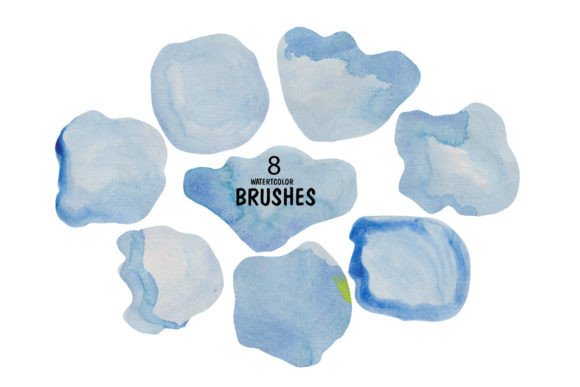
Consider the process of creating a wedding invitation suite. Using a simple collage sheet of watercolor circles allows you to build intricate borders or decorative accents quickly. You can overlay text within the negative space of the circles or use them to highlight important dates. The organic nature of the watercolor texture adds a romantic, handcrafted feel that standard geometric shapes simply cannot achieve. Furthermore, because these are isolated on a white background in the preview but come with transparency in the usable files, blending them into colored digital papers is seamless.
Practical Applications for Cut Files and Physical Products
One of the most powerful aspects of this resource pack is the inclusion of DXF and SVG files, which are essential for users of cutting machines like Cricut or Silhouette. While watercolor is inherently a painted medium, the vector outlines allow crafters to create precise cut paths. This might seem counterintuitive, but it opens up creative possibilities for hybrid projects. For instance, you can print the watercolor design on sticker paper and then use the cut file to trim around the shape perfectly.
This technique is particularly useful for creating custom stickers, decals, and labels. Imagine producing a set of planner stickers featuring watercolor circles in various sizes and hues. The vector format ensures that the cut lines are smooth and accurate, preventing jagged edges that can ruin the professional look of your handmade goods. Additionally, these files can be used to create stencils. By cutting the negative space of a watercolor circle from cardstock, you can spray paint or sponge real paint onto surfaces, replicating the digital design in the physical world.
Streamlining Workflow for Graphic Designers
Professional graphic designers often face tight deadlines and the need for rapid prototyping. Having a library of pre-made, high-quality assets like watercolor circle clipart vector collections can save hours of work. Instead of painting each element from scratch or searching for unreliable free resources, designers can drag and drop these editable vectors into their projects. The fact that they are converted from hand-drawn scans means they possess a uniqueness that purely algorithmic vectors lack.
These resources are compatible with major design software, including Adobe Illustrator, Photoshop, Inkscape, and Canva. This broad compatibility ensures that regardless of your preferred toolset, you can integrate these elements smoothly. For web designers, the SVG format is particularly valuable. It allows for lightweight, scalable graphics that load quickly on websites while looking crisp on high-resolution retina displays. You can use these circles as bullet points, section dividers, or background accents on landing pages to add a touch of artistic flair without compromising performance.
Key Considerations Before Choosing Your Assets
While the benefits are clear, it is important to approach these resources with a clear understanding of their technical specifications. Not all "vector" watercolors are created equal. Some may be complex meshes that are difficult to edit, while others might be simple shapes with embedded raster textures. The ideal package, such as the one described here, includes multiple formats to cover all bases. AI and EPS files are best for deep editing in professional software, while PDF and SVG offer broader compatibility for simpler adjustments.
Pay close attention to the resolution of the accompanying raster files. A 300 dpi JPEG or PNG is standard for print quality. If you are designing for large-format prints like banners or posters, ensure that the vector paths are clean and that any embedded textures are high enough resolution to avoid blurriness when scaled up. Also, consider the color mode. RGB is perfect for digital screens, but if you are sending files to a professional printer, you may need to convert them to CMYK. Most vector software makes this conversion straightforward, but it is a step worth remembering to ensure color accuracy in the final printed product.
Maximizing Value Through Versatility
The true value of a digital kit lies in its versatility. A single set of watercolor circles can serve multiple purposes across different projects. The same asset used as a background for a birthday card can be repurposed as a logo icon for a blog, a decorative element for a website footer, or a pattern for custom wrapping paper. By investing in high-quality, multi-format resources, you are not just buying images; you are buying time and creative freedom.
Moreover, these elements encourage experimentation. Because they are non-destructive and editable, you can play with opacity, blending modes, and layering without fear of ruining the original file. Try overlapping different colored circles to create new hues and textures. Use them as masks for photos to give portraits a soft, dreamy edge. The possibilities are limited only by your imagination. As you become more familiar with the files, you will find yourself reaching for them repeatedly, knowing they provide a reliable foundation for both quick fixes and elaborate designs.
In a digital landscape often dominated by sterile, minimalist aesthetics, watercolor circle clipart vector offers a refreshing return to organic beauty. It allows creators to infuse their work with personality and warmth, connecting with audiences on an emotional level. Whether you are a seasoned designer or a weekend crafter, incorporating these tools into your workflow can enhance the quality and appeal of your creations, making every project feel uniquely yours.